Pope Leo XIV’s four ways to fight drug addiction
George Kommattam - October 2026
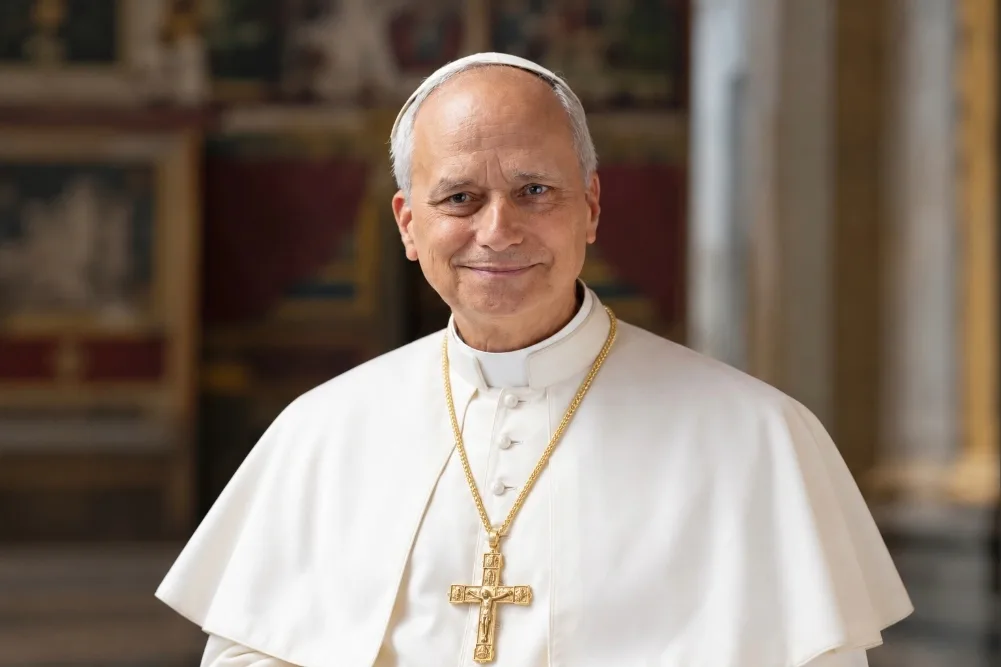
The Pope highlights the importance of family, cooperation between science and faith, and a Church that welcomes those struggling with addiction.
Drug addiction affects individuals, families and communities across the world. Addressing it requires more than medical treatment or prevention alone. It calls for understanding, professional care and a community that does not abandon those who suffer.
Pope Leo XIV underlined this responsibility in his address on addiction-related situations in Latin America on August 2026. He emphasised the importance of family support and cooperation among all those working to prevent addiction and help people recover.
1. Family: The first line of support
“The family is the place where life is nurtured, cared for, and planned,” the Pope said. “There is no better defense against drugs than a good family.”
A caring family can give young people a sense of belonging, security and guidance as they face life's challenges. Yet not everyone has the support of a stable home. Family difficulties can leave people vulnerable, while addiction can deepen existing struggles and damage relationships.
When families are unable to provide the support a person needs, the wider community has an important role to play. The Pope calls the Church to become a family, especially for those who suffer or feel excluded.
2. Science and faith working together
Addiction is a complex problem that requires professional care. The Pope recognises the important contributions of neuroscience, psychiatry and public health.
The Church's role is not to compete with or replace these disciplines. Rather, it offers spiritual support, personal accompaniment and an understanding of human dignity rooted in the Gospel. Science and faith can work together to support the whole person.
3. Cooperation across the Church
Drug addiction knows no national or cultural boundaries. The Pope highlights the importance of cooperation among the Church's institutions and structures around the world.
By sharing experiences, strengthening partnerships and learning from one another, Church communities can improve their response to addiction and help people rebuild their lives.
4. Christians united in service
The Pope also points to the importance of cooperation among Christians of different traditions. When they work together to support young people and those affected by addiction, they put their shared faith into action.
This cooperation demonstrates that compassion can bring people together, even when they differ in tradition or practice.
A Church that does not turn away
The Pope's four bridges of cooperation point towards a common responsibility: ensuring that no one faces addiction alone.
He invites the Church to follow the example of the Good Samaritan, who stops to help a wounded stranger rather than passing by. The Church, he says, must draw close to those who suffer, show compassion, bind their wounds and become a home for those who feel abandoned.
Fighting drug addiction requires strong families, professional treatment and cooperation across communities. Above all, it requires recognising the dignity of every person and offering those who struggle the support and hope they need to begin again.

Send your feedback to : onlinekeralacatholic@gmail.com