Nun’s legal battle leads to landmark ruling that lets Christian women seek divorce
George Kommattam - September 2026
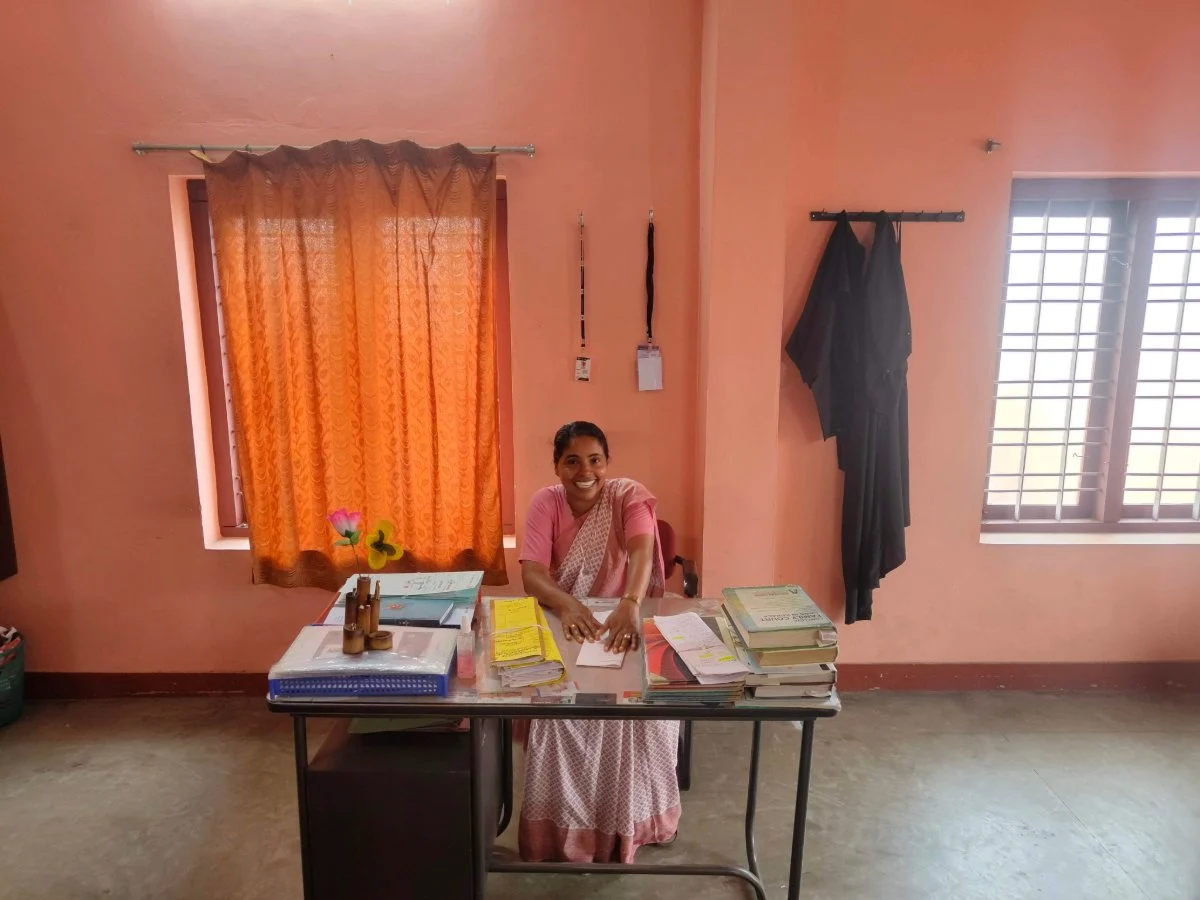
George Kommattam | Kalpetta, Kerala: A legal battle led by a Kerala nun has resulted in a landmark ruling allowing Christian women to file for divorce before a Family Court having jurisdiction over the place where they live.
The Aug. 19, 2026, Kerala High Court judgment came after advocate Jomol Joy, also known as Sr. Joicy Joy, took up the case of a woman who had fled domestic violence, returned to her parental home in Wayanad and found herself unable to file for divorce there.
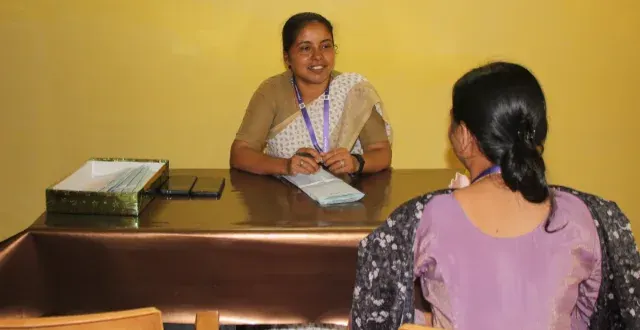
For Jomol Joy, a member of the Sisters of Charity of Nazareth, the case began with a three-hour conversation with the woman, a mother of three minor children, who described what Joy says was a deeply painful experience of violence, abuse and cruelty at the hands of her estranged husband.
The woman had been living with her husband in Kasaragod, where their marriage was solemnized. After the relationship broke down, she returned to her parental home in Wayanad.
Police had already registered an FIR against her husband under Section 498A of the Indian Penal Code.
She wanted to seek divorce, the return of gold ornaments allegedly misappropriated by her husband, and maintenance for her children.
But there was a problem.
Under the law governing Christian divorce at the time, her divorce petition had to be filed in a court with jurisdiction connected to the marriage or matrimonial residence.
For her, that meant Kasaragod.
Returning there was difficult. She feared going back after the criminal complaint against her husband. She had limited financial resources, three children in her sole care and no one to accompany her on the long journey from Wayanad.
On Feb. 6, 2024, Jomol Joy filed all three petitions before the Family Court in Kalpetta.
The court returned the divorce petition, holding that it did not have jurisdiction. The woman was advised to file the divorce case in Kasaragod and then approach the High Court to have it transferred to Kalpetta.
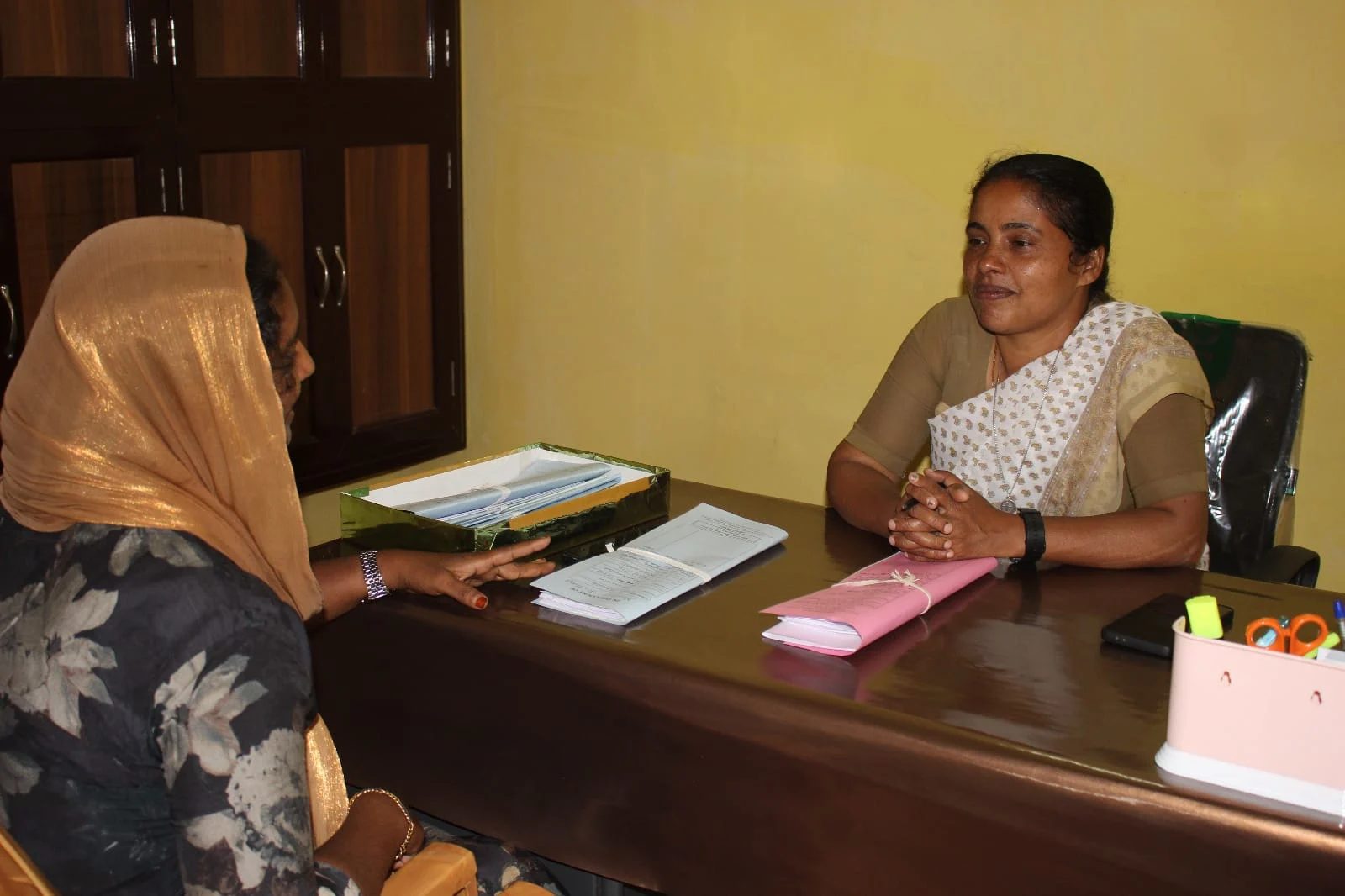
For Jomol Joy, this was more than a procedural difficulty.
“It seemed very unjust,” she recalled.
Jomol Joy noticed that women seeking divorce under other personal laws had, in certain circumstances, greater flexibility to approach courts based on their place of residence.
Similar residence-based provisions existed under the Hindu Marriage Act and the Special Marriage Act.
Why, she asked, should Christian women face a different situation?
The question became the basis of a constitutional challenge.
At the time, Joy was undertaking a fellowship with the Centre for Law and Policy Research (CLPR), a legal organization based in Bengaluru. She raised the issue with the organization, where Senior Advocate Jayna Kothari and the CLPR team examined the matter.
With their support, Joy filed W.P.(C) No. 8801 of 2025 before the Kerala High Court on Feb. 27, 2025.
What began as one woman’s difficulty in accessing a nearby court had now become a challenge concerning the rights and access to justice of Christian women more broadly.
After extensive proceedings, a single judge of the Kerala High Court delivered judgment on June 30, 2026.
The court made significant observations about the absence of a provision allowing Christian women to file divorce petitions where they reside.
However, it held that creating such a provision was a matter for Parliament rather than the judiciary. The petition was dismissed, while the court indicated that the issue could be brought to the attention of the Ministry of Law and Justice for legislative consideration.
The legal team decided to appeal.
The CLPR team filed Writ Appeal No. 1407 of 2026.
The Division Bench allowed the appeal in its judgment of Aug. 19, 2026, interpreting the relevant provision of the Divorce Act to mean that when the wife is the petitioner, she can file a divorce petition before the Family Court having jurisdiction over the place where she resides at the time of filing.
The ruling removes a significant practical barrier for Christian women who have left their matrimonial homes and need to seek legal relief from another place.
For women facing domestic violence, financial hardship or sole responsibility for children, the ability to approach a court where they currently live can make seeking justice considerably more practical.
The case is one part of Joy’s wider work with women and marginalized communities.
The 42-year-old lawyer provides free legal aid, mediates disputes and educates Indigenous communities about their rights.
Her legal work is closely connected to her religious vocation. As a member of the Sisters of Charity of Nazareth, a Kentucky-based congregation, she says the congregation’s motto - “Love of God impels us” - has been an important source of motivation in pursuing issues affecting vulnerable people.
Send your feedback to : onlinekeralacatholic@gmail.com