A Diocese in Kerala Launches the First Way of the Cross for the Blind
George Kommattam - April 2026
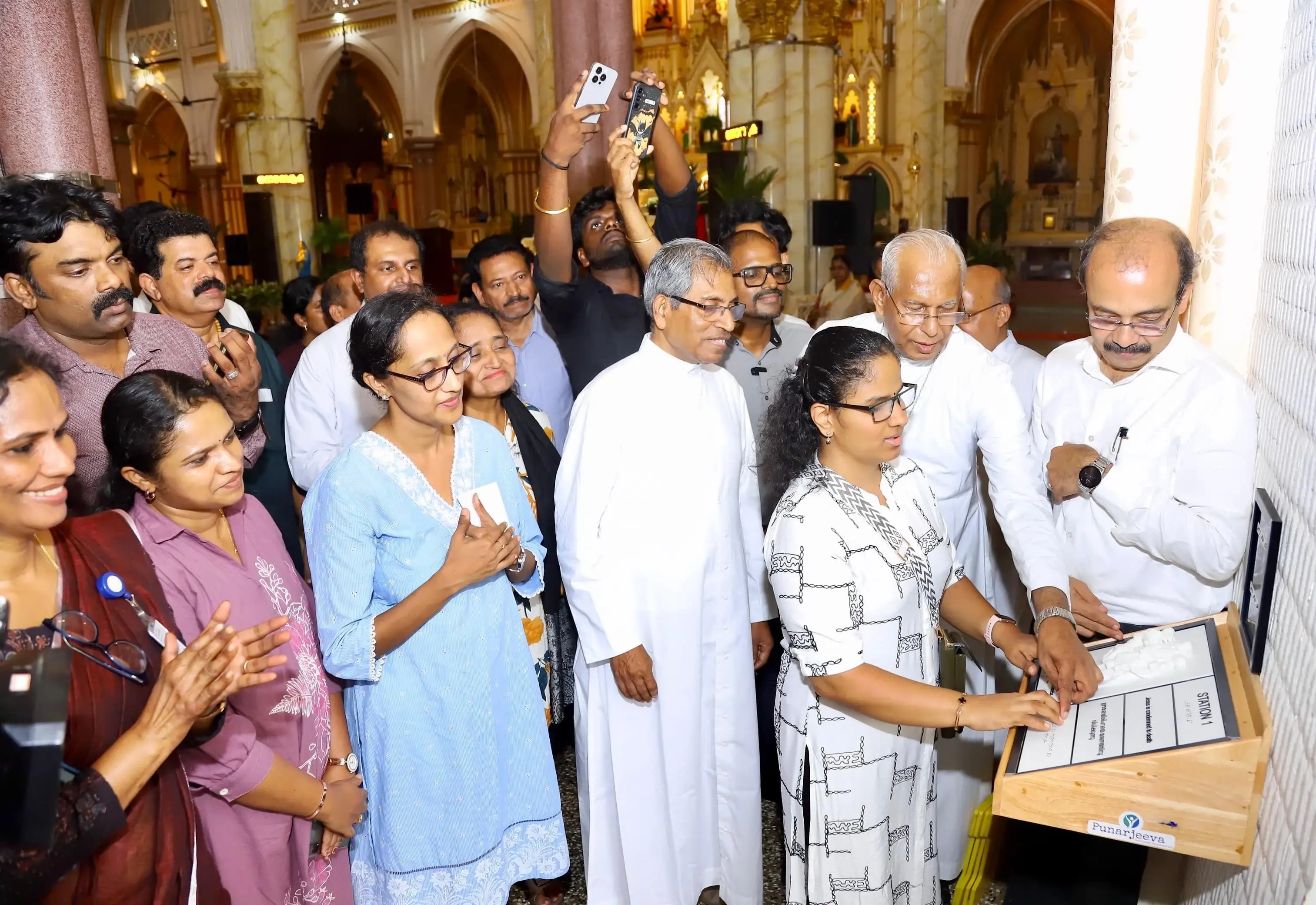
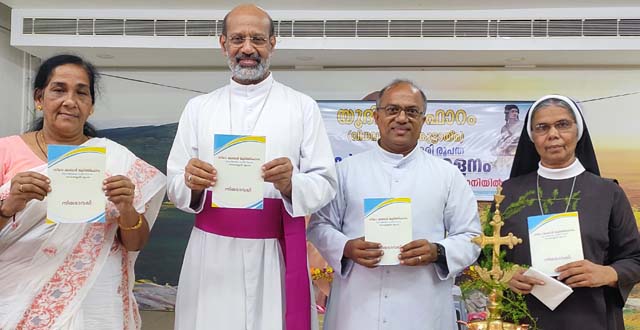
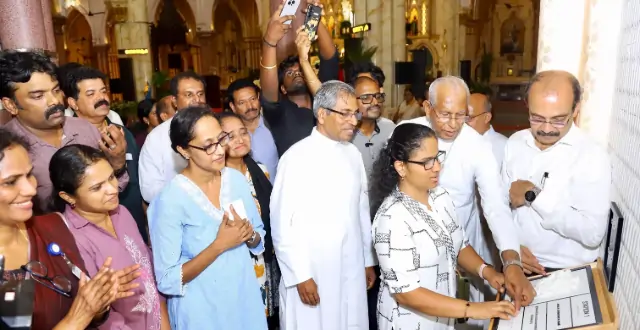
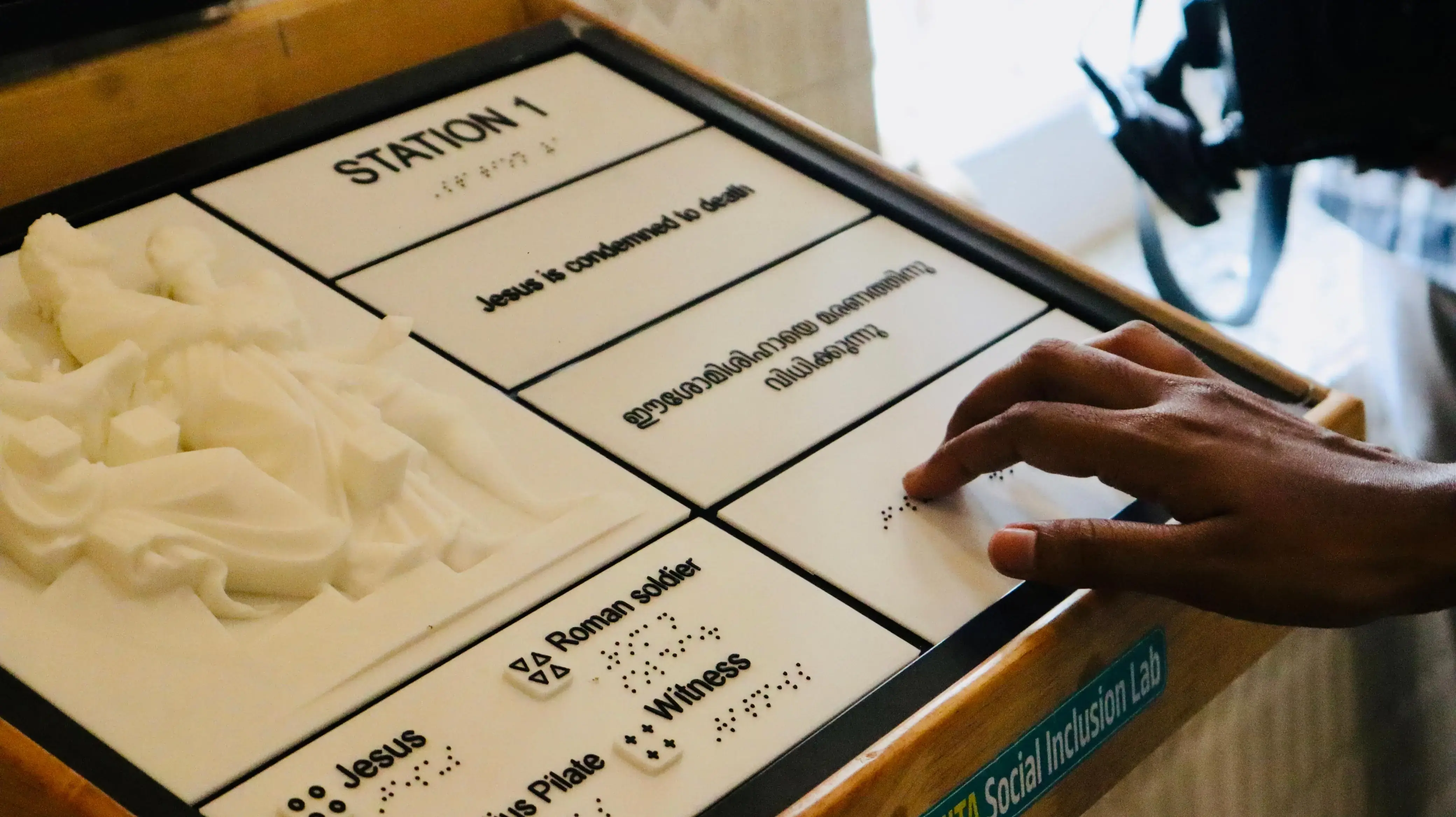
THRISSUR, Kerala, March 28, 2026: The Thrissur Archdiocese inaugurated the first fully accessible Via Crucis Tactilis for blind and visually impaired devotees at the Our Lady of Dolours Shrine Basilica on March 28, in connection with Holy Week. The initiative allows participants to experience the Way of the Cross independently, using tactile, audio, and navigational aids.
The project was developed for the Archdiocese by the SAMNITA Social Inclusion Lab in collaboration with Punarjeeva Technology Solutions. It integrates academic research, assistive technology, and social innovation to make a traditionally visual devotion accessible to all members of the faith community.
“Faith must be accessible to everyone, regardless of physical ability,” said Mar Andrews Thazhath, Metropolitan Archbishop of Thrissur. “This project ensures that visually impaired individuals can undertake the Way of the Cross independently and with dignity.”
“Designing this initiative in close collaboration with visually impaired participants was essential,” said Robin Tommy, Senior Scientist at Tata Consultancy Services and founder of the SAMNITA Social Inclusion Lab. “Their feedback helped ensure the stations are navigable, meaningful, and authentic.”
“Our goal was to ensure that no one is left out of this spiritual journey,” said Smitha George, Chief Executive Officer of Punarjeeva Technology Solutions. “By combining technology with empathy, we have created an experience that allows visually impaired devotees to engage with the Way of the Cross independently and meaningfully.”
Rev. Fr. Thomas Kakkassery, Rector of the Basilica, added: “This initiative demonstrates how religious spaces can embrace inclusivity, allowing all faithful to engage with devotion on their own terms.”
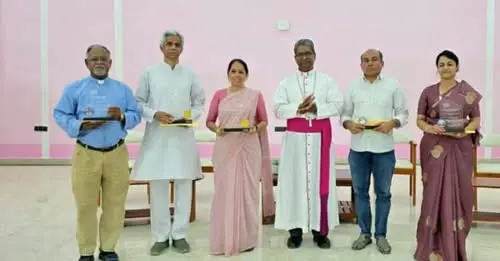
The launch brought together clergy, educators, technologists, and members of the visually impaired community, reflecting collaboration between the Church, academia, and social innovation partners. Organizers said the project could serve as a global model for inclusive religious spaces, extending the principles of accessibility into spiritual life.
The tactile Via Crucis Tactilis now enables blind and visually impaired pilgrims to undertake the Way of the Cross independently, demonstrating how empathy-driven innovation can transform traditional religious experiences.
Send your feedback to : onlinekeralacatholic@gmail.com